

If Your Days Feel Heavy, Start With Small Routines
Because the day doesn’t need more discipline, it needs less friction.
Most days don’t feel off because of one big thing. They start to feel heavy because too many ordinary moments require more effort than they should. You wake up already negotiating the morning with yourself, move through the day juggling small decisions that add up faster than expected, and by the time the evening comes, you feel spent without being able to point to the why.
That’s where small routines come in as a way to make daily life feel more manageable. The goal is to create gentle structure in the places where your energy tends to leak, so the day feels easier to move through without demanding more from you.

Photo credit: Shai
Start With Where the Day Feels Hardest
Pay attention to the moments that consistently feel clunky, rushed, or more draining than they need to be. That might be the stretch between waking up and leaving the house, the transition from work to evening, or the hour before bed when motivation disappears but tasks still linger.
Instead of trying to fix everything, focus on one of those moments and ask what would make it feel smoother. Sometimes the answer is to remove a decision you are tired of making. It might mean wearing the same type of outfit on repeat during the week, deciding in advance what dinner looks like most nights, or giving yourself permission to stop optimizing a part of the day that doesn’t need constant improvement.
Build Routines That Reduce Decision Fatigue
A surprising amount of daily exhaustion comes from choices that feel small but show up repeatedly — what to eat, when to move, how to wind down, what still needs to get done before the day can end. Small routines work best when they handle those decisions for you, so your energy can be spent elsewhere.
This doesn’t require a strict schedule or rigid rules. It can be as simple as default options you return to when the day feels overwhelming. The same breakfast most mornings, a specific way of resetting your space at night, or a consistent transition between work and rest that signals the day is changing pace.
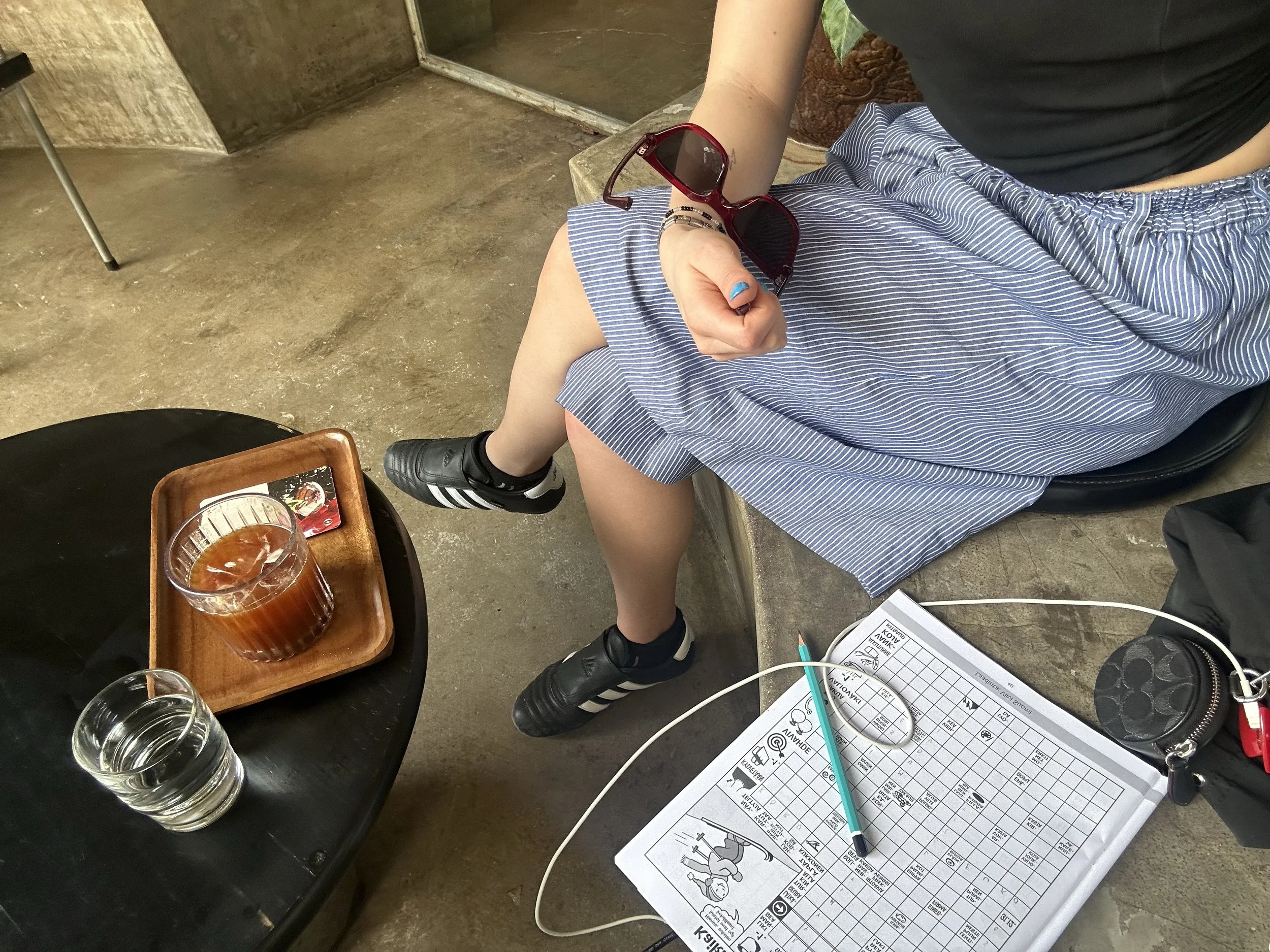
Photo credit: Ida Uosukainen
Let Repetition Do It’s Thing
There is often pressure to keep things fresh, but repetition is what allows routines to work. Over time, these actions begin to feel automatic rather than effortful, which is exactly the point.
Design Routines Around How You Feel, Not How You Think You Should Function
Many routines fall apart because they are designed around an ideal version of the day rather than the one you actually live. Instead of anchoring everything to a perfect schedule, notice when you tend to feel most focused, most depleted, or most in need of rest. Build routines that support these patterns instead of fighting them.
Keep the Goal on Ease
Missing a day doesn’t mean you’ve messed up, and adjusting your routines over time doesn’t mean they failed. What matters is whether they continue to make the day feel more manageable than it did before.
