

Fiber for People Who Don’t Want Another Wellness Rule
A calmer, more realistic way to think about fiber without turning it into another thing to manage.
Fiber is everywhere right now.
It’s showing up in wellness conversations, nutrition headlines, and grocery aisles, often framed as something we’re all somehow missing. Eat more fiber. Fix your gut. Improve digestion. Balance blood sugar. Support hormones.
The message isn’t wrong, but it’s often framed in a way that feels pressing.
When something is positioned as a fix, it can quickly start to feel like another thing to optimize. Another box to check. Another habit to get exactly right.
Fiber doesn’t need a rebrand. It doesn’t need hype. And it doesn’t need pressure.
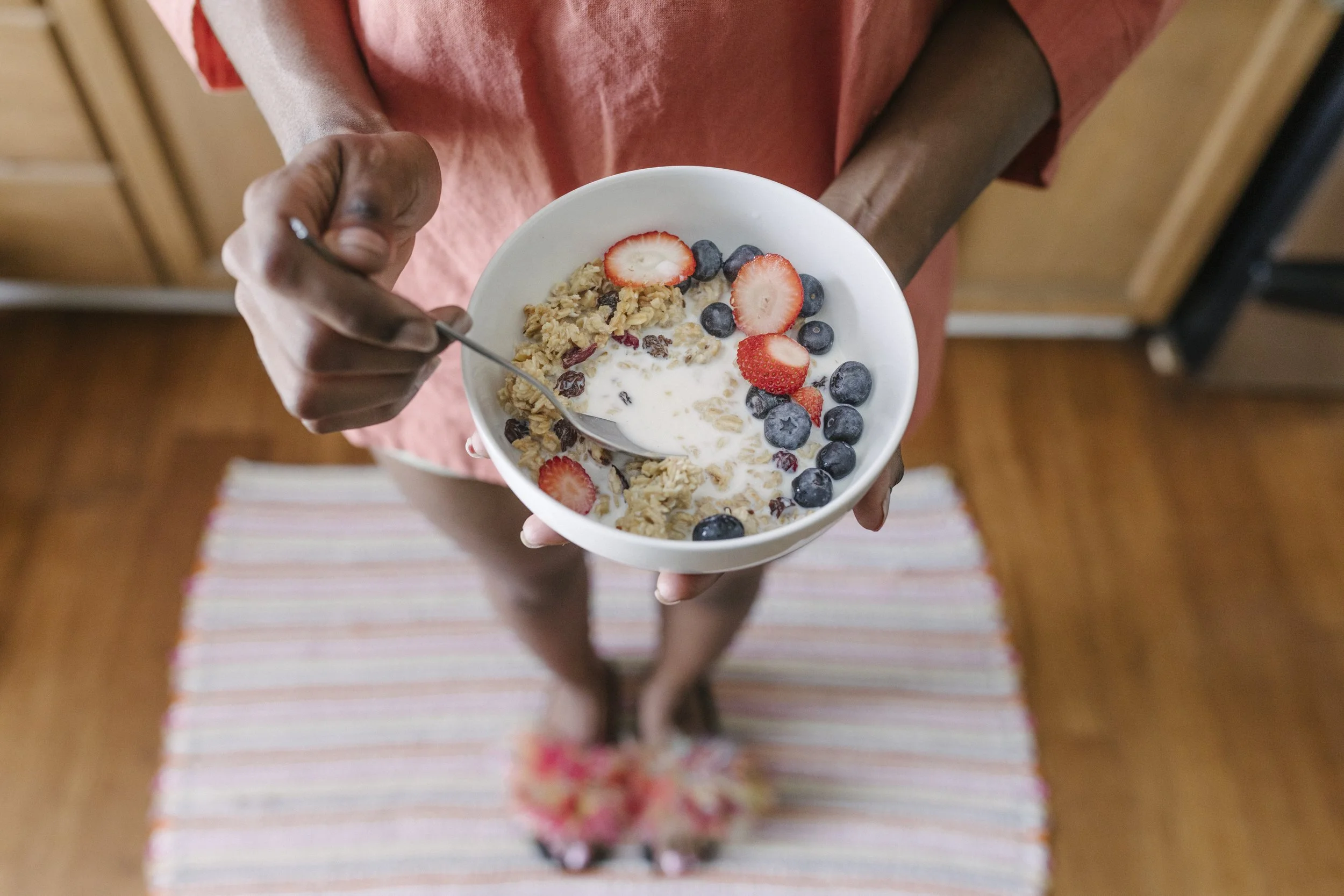
Photo credit: Willie B. Thomas
Why Fiber Keeps Coming Up
At its core, fiber is simple. It supports digestion, promotes fullness, and contributes to overall gut health. It’s found naturally in foods many cultures have relied on for generations — fruits, vegetables, beans, lentils, and whole grains.
The attention on fiber comes from revisiting something foundational that’s always been there.
As more people move away from restrictive eating and toward sustainable nourishment, fiber naturally becomes part of the conversation.
Why “Eat More Fiber” Can Feel Overwhelming
For many people, the idea of eating more fiber immediately brings up questions:
Am I getting enough?
Do I need supplements?
Should I overhaul how I eat?
Am I doing this wrong, too?
This is where good intentions can turn into overwhelm.
Fiber is often discussed in isolation, stripped of context, culture, and real life. When that happens, it starts to feel like another nutritional standard to meet rather than something that can fit into the way you already eat.
A Softer Way to Think About Fiber
Instead of tracking grams or measuring yourself against an ideal, it can be more helpful to look at your meals and ask whether they feel satisfying.
Meals that include fiber tend to come together naturally when they’re built around whole, familiar foods — beans in a soup, vegetables roasted the way you like them, fruit you enjoy eating, and grains that feel comforting rather than complicated.
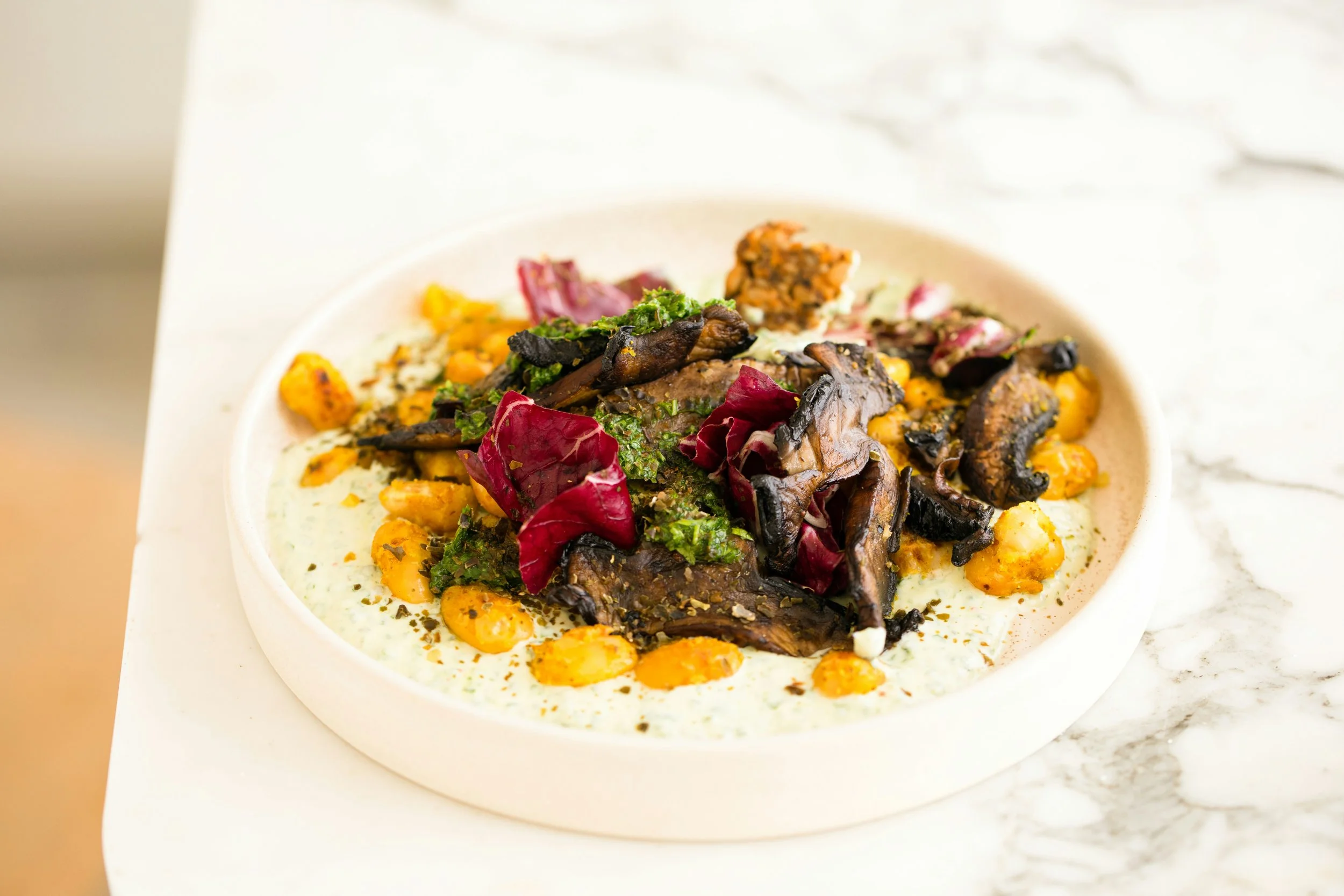
Photo credit: Karolin Baitinger
Letting Familiar Foods Lead
Fiber doesn’t need to come from unfamiliar or “super” foods to be effective; many of the most fiber-rich meals are the ones people already love, shaped by culture, tradition, and comfort, and easy to return to again and again.
Sometimes that looks like a bowl of lentil soup with vegetables you enjoy, served with bread you reach for often. Other times it’s oatmeal topped with fruit and nuts, or rice and beans cooked the way you already know how to make them. These meals aren’t strategic; they’re filling, dependable, and easy to return to, which is often what makes them supportive.
When fiber is framed this way, it feels less like a trend and more like what it has always been — a reliable form of support.
Why Fiber Fits the Moment
Fiber is having a moment because people are craving something that feels manageable. They’re tired of extremes, tired of doing the most, tired of feeling like every choice needs to be strategic.
Fiber fits easily into a more sustainable approach to wellness, supporting the body in ways that don’t demand perfection and hold up over time. Its renewed attention reflects a broader shift toward care that feels workable and lasting.