

Wellness Is Letting Go of the Rules We’ve Outgrown
A look at how care is becoming more flexible, more personal, and easier to live with in real life.
Wellness once came with a sense of obligation. There were rules to follow, routines to perfect, and habits to optimize. Eat this, avoid that. Move harder. Rest better. Do more, even when it comes to care. Over time, wellness stopped feeling supportive and began to resemble another system to manage.
That approach is starting to feel insufficient. More people are paying closer attention to how their bodies respond to care, questioning extremes, and choosing forms of wellness that can exist alongside real life without requiring constant effort or correction.
How Wellness Became So Rigid
Wellness didn’t always feel this demanding. For many, structure and discipline once offered a sense of order during uncertain seasons — a way to feel anchored when everything else felt unpredictable.
Over time, those same tools took on more weight. Tracking turned into pressure. Discipline became moralized. Rest felt conditional. Food became something to manage. Bodies became projects, constantly monitored and adjusted.
As wellness rose alongside hustle culture and productivity myths, it absorbed the same logic — more is better, harder is superior, visible effort equals worth. Eventually, this version of care demanded a level of control and consistency that few real lives can sustain for long.

Photo credit: Abraham Gonzalez Fernandez
What Softening Actually Means
Softening reflects a preference for wellness that fits into real life. It responds to the body instead of overriding it, accounting for the fact that needs change across seasons, circumstances, and years. Softness here isn’t passive; it’s intentional.
Care becomes something that supports daily life rather than competing with it, removing the expectation that wellness requires constant monitoring or adjustment.
Where This Is Showing Up
You can see this taking shape in the way people are moving, eating, and resting. Walking is being treated as a legit form of movement again. Rest is discussed without explanation or apology. Food conversations are moving away from restriction and toward nourishment, which feels like one of the most meaningful developments in wellness culture.
More people are adding what supports them instead of stripping things away, choosing consistency over extremes, and letting wellness exist alongside daily life instead of organizing everything around it. There’s also a clearer understanding that care doesn’t happen alone. Community, connection, and shared experience are being recognized as essential to feeling well.
This isn’t being driven by trends. It’s coming from exhaustion — from realizing that wellness built for perfectly controlled, endlessly resourced lives was never going to work in the first place.
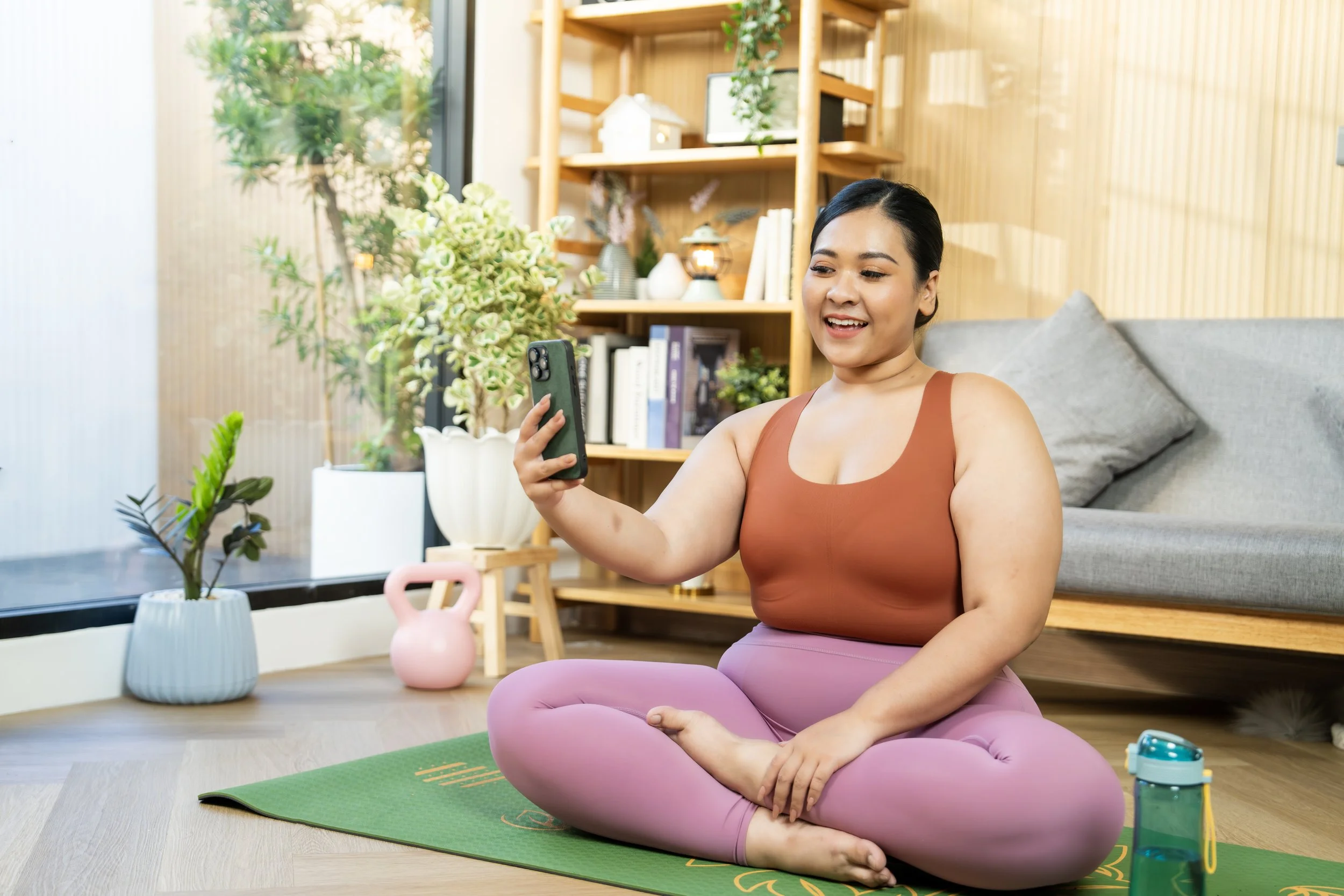
Photo credit: Witthaya Prasongsin
Who Softness Speaks To
This approach speaks most clearly to people who have spent much of their lives being “strong.” The ones who learned early how to keep things moving, who became reliable by necessity, who carried responsibility long before it was optional. Caregiving, grief, chronic stress, long seasons of holding it together — all of it shapes how people relate to wellness.
For many, structure once felt essential. Rules created a sense of order. Discipline made life manageable. But living in constant survival mode isn’t sustainable. Over time, it asks too much.
A softer approach offers a different framework. One built on trust instead of control, and on care that adjusts to real bodies and real lives as they change. It doesn’t abandon intention — it redirects it toward something more livable.

Photo credit: Danielle Hammond
The Discomfort of Letting Go
Softness can feel unsettling at first, especially for people who are used to clear direction. Rules tell you where to stand. Extremes offer certainty. They lay out a path and promise results if you follow it closely enough. A softer approach doesn’t do that. It asks for awareness and discernment, which means trusting yourself in real time.
That kind of trust can feel exposed. There’s no dramatic transformation to point to, no visible benchmark that proves you’re doing it correctly. The work is less legible to others, which can make it feel slower or harder to validate.
What it offers, though, is something far more durable. A way of caring for yourself that doesn’t unravel when life becomes demanding, and a relationship with wellness that can adjust as circumstances change.
What We’re Choosing Now
People are paying closer attention to what actually fits into their lives and letting go of approaches that only work under ideal conditions. Care is being shaped around real schedules, real bodies, and real limits.
Wellness is becoming less about compliance and more about relationships. Practices are chosen for how they feel to live with, not how impressive they look from the outside. There’s an understanding that care has to remain workable on demanding days, not just aspirational ones.
This way of approaching wellness doesn’t rely on intensity or constant self-correction. It allows for adjustment, honesty, and continuity. And in that flexibility, it creates something more sustainable — a form of care that can stay with you as life changes, rather than falling apart when it does