

Wellness Has Never Been Neutral
What the industry leaves out — and why access, culture, and context still shape who care is really for.
Wellness advice often sounds simple until you look closely at who it’s really speaking to. The language is gentle, and the tone suggests that care is available to anyone willing to try, but simplicity can be misleading. Beneath the surface, wellness has always reflected deeper ideas about whose bodies, lives, and time are valued — and whose are not.
Wellness has never been neutral. Who it’s built for, who it centers, and who it leaves out have always mattered. And the more wellness is framed as a matter of personal responsibility, the easier it becomes to overlook the systems that shape who actually has access to care in the first place.
Much of mainstream wellness assumes a level playing field. It assumes time and flexibility. Disposable income. Safe environments. Reliable access to food, movement, rest, and healthcare. It assumes lives that are not constantly operating under pressure or uncertainty. When these assumptions go unexamined, wellness advice starts to sound straightforward. If something isn’t working, it’s framed as a personal shortcoming instead of a structural reality.

Photo credit: Halfpoint Image
Who Wellness Has Traditionally Centered
For a long time, the dominant image of wellness has been limited.
It has centered thinness, whiteness, physical ability, and financial comfort. Often feminine, but rarely inclusive of the full range of women’s bodies, responsibilities, or lived experiences. This doesn’t mean the practices themselves are inherently harmful. Movement, nourishment, rest, and care matter.
But when wellness is packaged without context, it reinforces the idea that health is earned — and that those who struggle are simply not trying hard enough.
This is where wellness stops feeling supportive and starts carrying judgment. Advice focuses on what to do, not on who can realistically do it.
Who can afford boutique movement classes or specialty foods?
Who can prioritize rest without risking income or stability?
Who feels represented or welcomed in wellness spaces at all?
When access goes unacknowledged, wellness becomes another place where inequality hides in plain sight.
Calling wellness neutral keeps it easy to sell. It allows wellness to remain aesthetic and aspirational while sidestepping harder conversations about inclusion, affordability, and belonging. And it puts the responsibility back onto individuals to adapt, instead of questioning whether the system was ever built with them in mind.
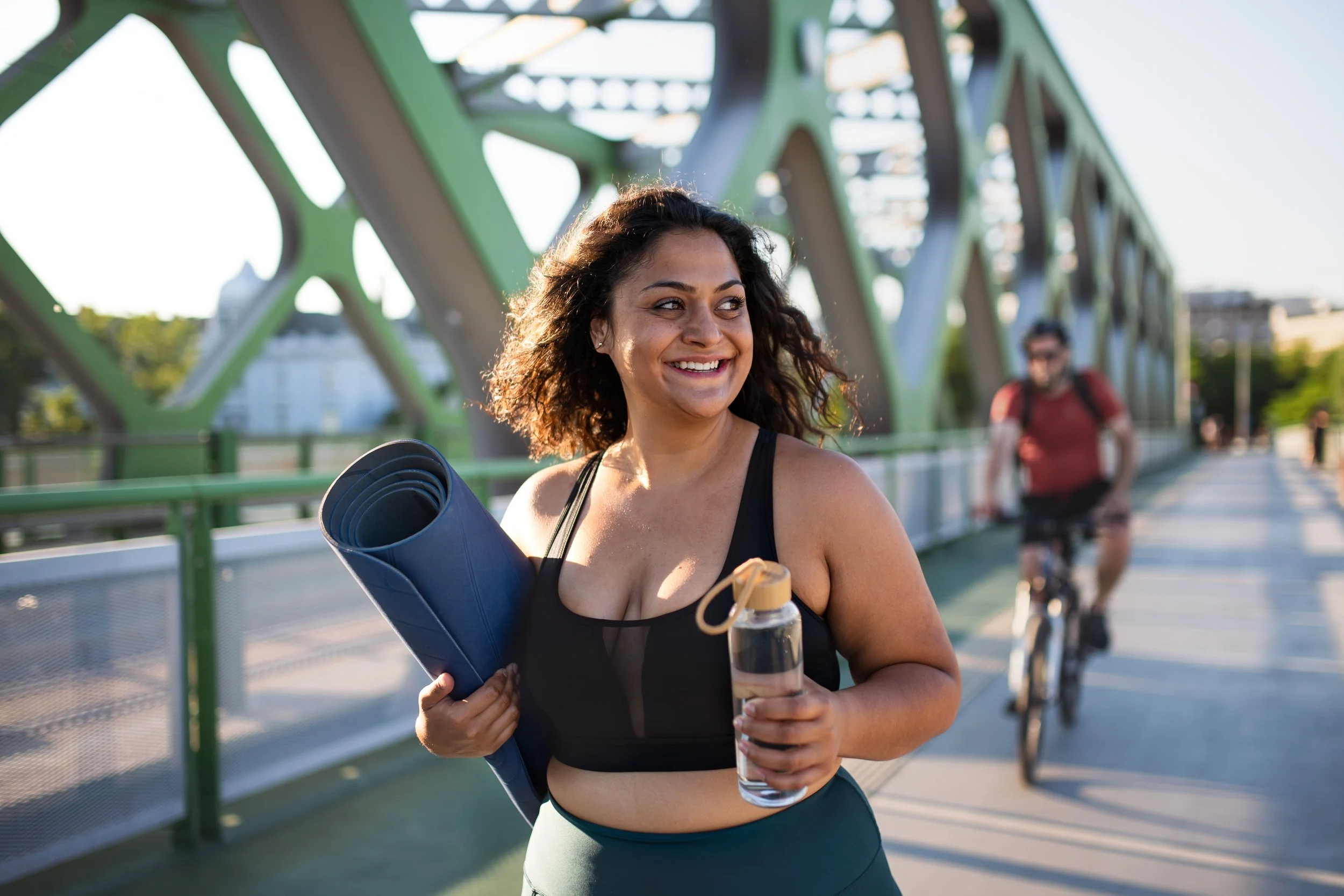
Photo credit: Halfpoint Image
Expanding the Conversation
Acknowledging that wellness isn’t neutral doesn’t mean rejecting it. It means widening the lens. Talking about care in ways that account for race, class, body size, chronic stress, and emotional load. Recognizing that health is shaped not only by choices, but by circumstances — many of which sit outside individual control.
It also means making room for different expressions of wellness. Different entry points. Different needs. Different ways care shows up in daily life. Wellness doesn’t have to look the same to be valid.
As wellness continues to evolve, there is an opportunity to move away from one-size-fits-all narratives and toward conversations that feel more honest.
Because care that ignores context will always fall short. And wellness that doesn’t account for real life will never fully support the people it claims to serve.