

Redefining “Well” Beyond the Aesthetic
Why feeling okay, supported, and capable matters more than perfect routines or visible progress.
We rarely make space for an honest definition of what feeling well looks like in real life. It’s less about aspiration or arrival and more about how life feels in the everyday, in the in-between moments most of us are living inside of.
Wellness gradually became something to perform. Perfect routines, glowing skin, consistent energy, and bodies that appear calm and controlled began to define what “doing well” was supposed to look like, leaving the reality of actually feeling well harder to name and easier to doubt.
In practice, feeling well tends to be far less polished. It looks like waking up without a sense of dread, even if you’re still tired. It’s eating something nourishing without turning the decision into a negotiation. It’s moving your body in ways that feel supportive. It’s having enough capacity to show up, whether it's for work, relationships, or yourself.

Photo credit: Daniel De La Hoz
When Wellness Becomes a Performance
Many of us were taught to measure wellness through external cues — consistency, discipline, and how closely our routines resemble the lives we admire online. When wellness is framed this way, it becomes easy to feel perpetually behind, caught in a cycle of resetting, recommitting, and believing we should be doing more.
But feeling well has very little to do with how life appears from the outside. It has everything to do with what it feels like to move through your days from the inside.
That distinction matters because once wellness turns into something to perform, it loses its ability to respond. There’s little room for fluctuating energy, unexpected stress, or seasons where simply getting through the day takes precedence over improvement.
In everyday life, feeling well tends to show up in understated ways. It might register as a nervous system that feels less reactive, a body that holds less tension, or routines around eating, movement, and rest that no longer require constant negotiation or guilt.
Feeling well also shows up as trust — knowing when to apply gentle effort and when to ease off, recognizing what you need without converting it into a rule. It doesn’t mean feeling great all the time.
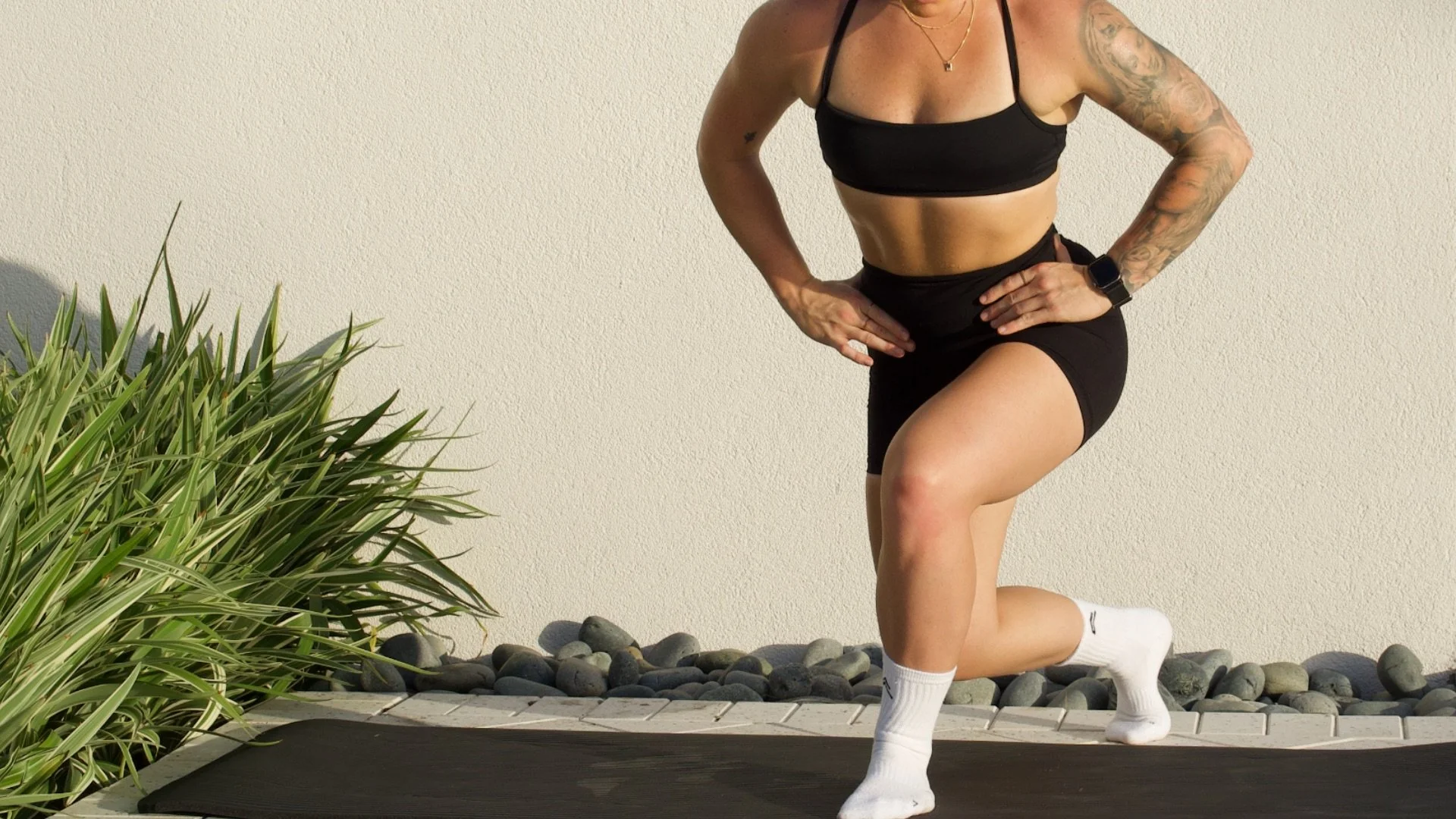
Photo credit: Marielle Clark
Why “Well” Looks Different for Everyone
One of the unspoken pressures within wellness culture is the assumption that there’s a single endpoint — one definition of “well” that everyone is working toward.
In reality, feeling well is highly contextual. It’s shaped by stress levels, access, health history, responsibilities, and emotional load. What feels supportive for one person can feel overwhelming for another, and what works during one season of life may no longer apply in the next.
When flexibility is allowed, wellness becomes more honest and less performative. It moves away from being something to prove and becomes something to pay attention to — responsive, personal, and able to adapt as life changes.
Letting “Well” Be Enough
There’s a real sense of relief in reframing wellness as something you can feel, rather than something you have to demonstrate. When feeling well becomes the reference point, the pressure softens, and comparison starts to lose its grip, making room for a more natural relationship with care that doesn’t revolve around constant fixing or reinvention.
Support doesn’t require perfect routines or visible markers of progress, and rest doesn’t need to be justified to count. Care can exist without performance, and well-being doesn’t have to be earned through discipline or productivity.
Sometimes, feeling well simply means that life feels more livable — a little easier to move through, a little more responsive to what you actually need.